

The Blueprint Brief
Structural integrity is often invisible—until it isn't. At Schatz Structures & Waterproofing Inc, we believe that an informed client is a protected client. We created The Blueprint Brief as a dedicated learning resource hub for property managers, HOAs, and building owners navigating the complexities of forensic engineering, moisture intrusion, and mandatory safety compliance. From deep dives into SB 721 balcony inspections to technical breakdowns of why repair methods fail, our goal is to translate complex engineering principles into actionable insights.
Here, you’ll find the clarity you need to make confident decisions, mitigate long-term liability, and ensure the lasting safety of your structures.
From Failure to Fix: Navigating the Forensic Engineering Process
When a building begins to show signs of distress—whether it’s a mysterious crack in a structural beam or a persistent leak after a Bay Area storm—the path to a solution can feel opaque. For property owners and stakeholders, understanding the "why" and "how" of the repair process is essential for peace of mind and financial planning.
At Schatz Structures & Waterproofing Inc, we follow a rigorous, step-by-step forensic process to ensure that repairs aren't just bandages, but permanent solutions. Here is what the journey looks like from the client's perspective.
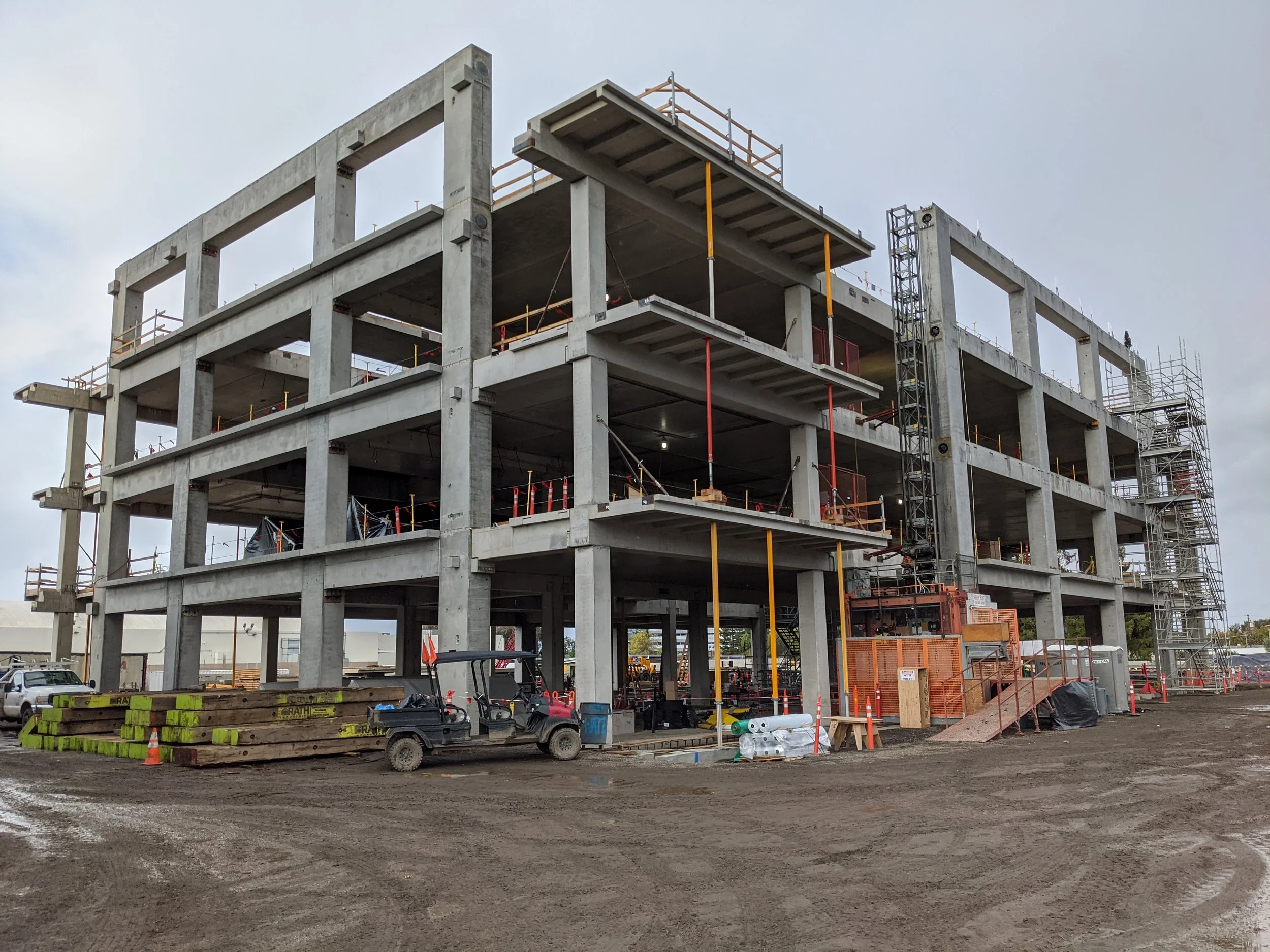
Who’s Watching the Build? The 3 Pillars of Construction Quality Control
The various methods of construction oversight: inspections by the building department; observations by the design professional; special inspections.

The Cost of the "Quick Fix": Why IIBEC Accreditation Matters
It’s a scenario we see far too often: A building owner notices a leak, calls a contractor, and pays for a repair. Six months later—usually during the first major rain—the leak returns. The contractor is gone, the money is spent, and the problem remains.
When you hire a contractor directly without third-party oversight, you are asking the "builder" to also be the "diagnostician." This creates an inherent conflict of interest. To truly protect your investment, you need an IIBEC Accredited Professional.